How to share a practice plan with assistant coaches
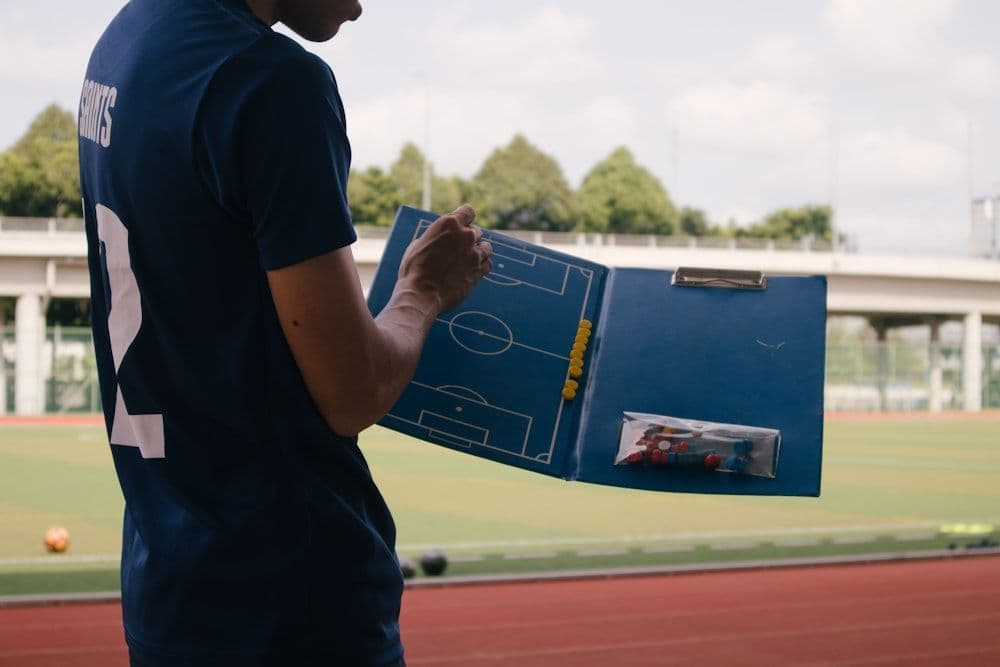
To share a practice plan with assistant coaches, send the activities together with the setup, each coach's responsibility and the rules needed to run them. Use a link or document everyone can open, and agree which version is current.
A list of drill names is rarely enough for someone who did not help write the plan. They need to know how to begin, what to watch and what happens when the first round ends.
Agree the jobs before assigning the drills
An assistant can lead an activity, work with a group or watch a specific part of the play. Decide that before practice so both coaches can prepare.
Positive Coaching Alliance's advice for assistant coaches emphasizes clear responsibilities and opportunities to contribute. It also recommends resolving disagreements privately rather than giving players conflicting messages.
For a two-coach practice, write down the jobs in the plan. Our reusable practice plan template provides a structure for the activities and timings.
| Part of practice | Coach A | Coach B |
|---|---|---|
| Before players arrive | Mark the near pitch | Mark the far pitch and check equipment |
| Opening | Explain the activity | Help pairs that need a demonstration |
| Small games | Lead the near group | Lead the far group |
| Break | Compare what the groups need | Suggest a change if the activity is not fitting |
| Finish | Ask players a review question | Note one change for next time |
This is an example division of work. Change it to suit the coaches' experience. An assistant who knows the group well may be the right person to lead the explanation.
Replace a drill title with runnable instructions
Compare these two handovers.
"Take the blue group and do some passing."
That leaves the assistant to choose the activity, equipment, difficulty and duration while players are waiting.
Here is a fuller version for a simple soccer activity:
"You have six players, three balls and six cones on the near pitch. This block lasts ten minutes, including instructions and the transition. Make three pairs. Each pair has a cone gate between them and enough space away from the other pairs. Players pass through the gate, control the return and move sideways after passing. Bring them back into a receiving position for the next ball. Start close enough that each pair can keep the exchange going. If a ball goes wide, retrieve it and restart from the same side."
Then add the coaching point and transition:
"Watch whether the receiver looks for the partner before the pass comes. Keep that as the main point. At the end of the block, collect two balls and make two teams of three for the game. We will call both groups in for water before changing activities."
Those are our example instructions. They describe enough of the activity for the assistant to prepare and ask a useful question.
Include the decisions a diagram cannot show
A diagram can show starting positions and movement. Keep the following in the written plan:
- The first action that starts a round.
- How players score or complete the task.
- What happens when the ball goes out.
- Who changes roles and when.
- The coaching focus for this session.
- The change to make if the activity is too difficult.
Use an animation when the order of movements matters. Keep the rules in writing so the assistant does not need to reconstruct them from the animation on the side of the pitch.
Ask the assistant to describe how they would start. If their explanation differs from yours, clarify the plan before training. Treat their questions as useful information about what is missing.
Add the version for fewer players
Write the fallback next to the activity it changes.
For example: "With 12 players, run two 3v3 games. With eight, use two 2v2 games and reduce the playing areas. Keep the same scoring and restart rules."
Also agree what happens if a coach cannot attend. Two pitches that both need close supervision may need to become one group activity. Player numbers and coach availability are separate constraints.
The assistant should be able to see the alternative without waiting for a new message from you.
Share one current plan
Send the link early enough for the other coach to read it. Add a short message naming their responsibility and asking them to check that the plan opens.
For example:
"Here is Tuesday's plan. You have the near group for the two middle blocks. The eight-player version is included. Please check the link and tell me if the rotation is unclear."
If you change the plan later, say what changed. A shared link makes it possible to use one current version, but it does not guarantee that someone who read it yesterday has checked it again.
If an assistant uses a printed copy, note the update before practice begins. A new online version does not change the paper already in their bag.
Share a CoachTruly practice without an account
Start in the drill bank, choose a sport and add the drills you need. Open Plan your practice, arrange the blocks and add the instructions for your coaches. Use Share practice to create a link that anyone with the link can open without logging in.
That anonymous link lasts 14 days from the first share. Save the practice to your account if you want to keep it for later sessions.
A public link is suitable for a plan containing activities and general coaching instructions. Keep player names and individual personal notes out of it. Saved team-restricted plans have different access rules, so check that the intended assistant can view the plan you are sharing.
Keep the assistant's feedback with the plan
After practice, ask what they had to change. A short note such as "The first group needed a shorter pass; keep that version for the opening" will help both coaches next time.
Use the saved session as a template for the following week, keeping the instructions that worked. Keep reusable activity instructions in your coaching drill library and session-specific changes with the plan. The handover becomes easier when both coaches can find the activity, the agreed jobs and the last useful adjustment together.
Build and share your next practice. Before training, have the assistant open the link and talk through the part they will lead.